Back Pain Doctor
Sports and Exercise Medicine
Most sports injuries are load problems rather than structural ones, and most of them are managed without surgery. What they need first is an accurate diagnosis, an honest view of what imaging will and will not add, and a plan that gets you back to the activity rather than away from it.
This is a Brisbane musculoskeletal practice run by Dr Joshua Hatch, working with recreational and club athletes across running and endurance sport, gym and strength training, field and court sport, and masters-age athletes who have no intention of stopping. Treatment is matched to the diagnosis rather than to the equipment available, and procedures, where they are indicated, are performed under ultrasound guidance.
No referral is required and a Medicare rebate applies to the consultation. Appointments are booked online through HotDoc, where current availability is shown.
Direct access
Medical assessment without the referral wait
- Book directly No GP referral is needed.
- Claim a rebate The consultation attracts a Medicare rebate.
- Act in one visit When clinically appropriate, an ultrasound-guided procedure may be performed at the same appointment.
Scope of practice
Dr Hatch is a Fellow of the RACGP — a specialist general practitioner — with extended skills in musculoskeletal, sports and exercise medicine. He is not a Sport and Exercise Medicine Physician (FACSEP) and does not hold specialist registration in that field. Where a problem needs a sport and exercise medicine physician, an orthopaedic surgeon or another specialist opinion, you will be told and referred rather than managed here by default.
Start with what you do
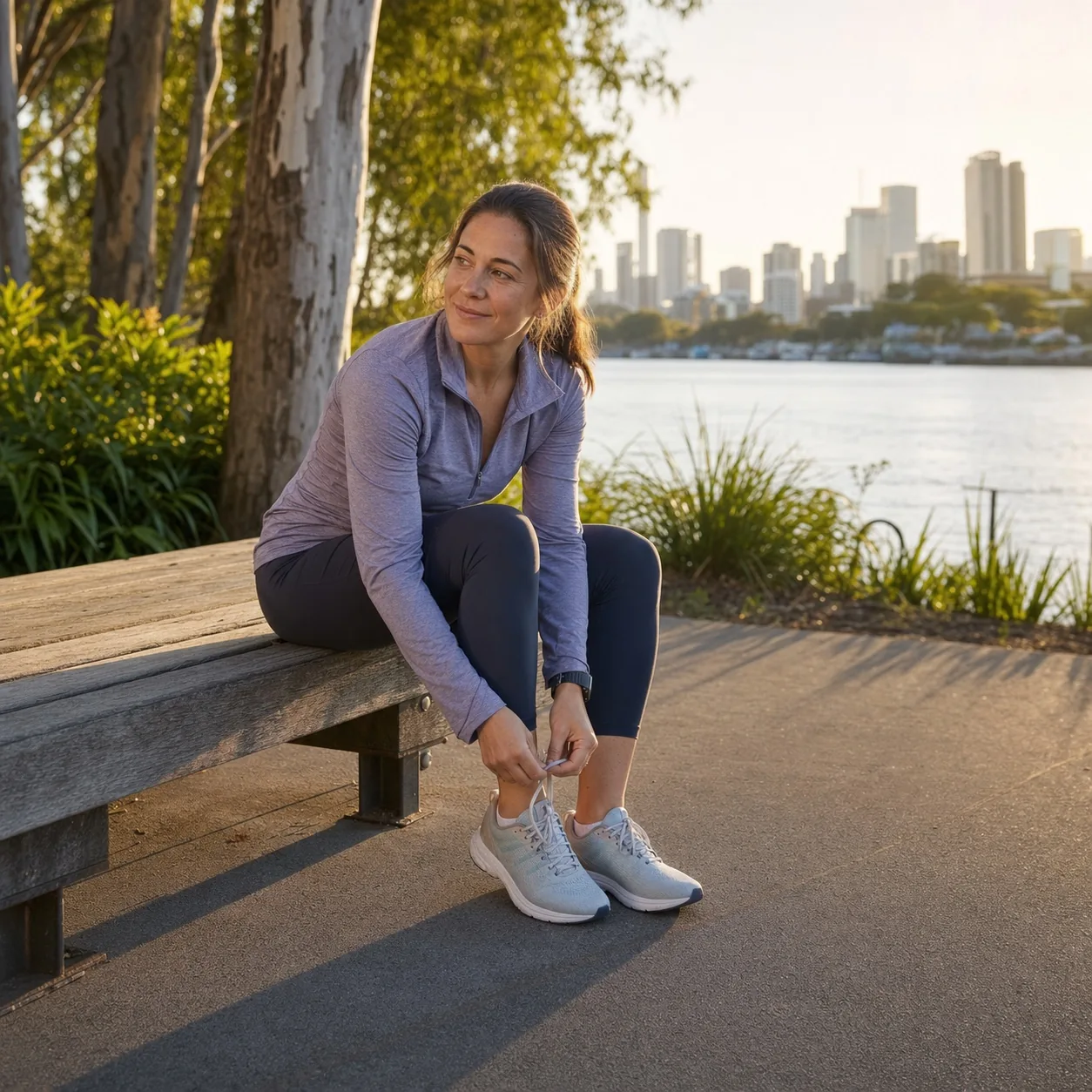
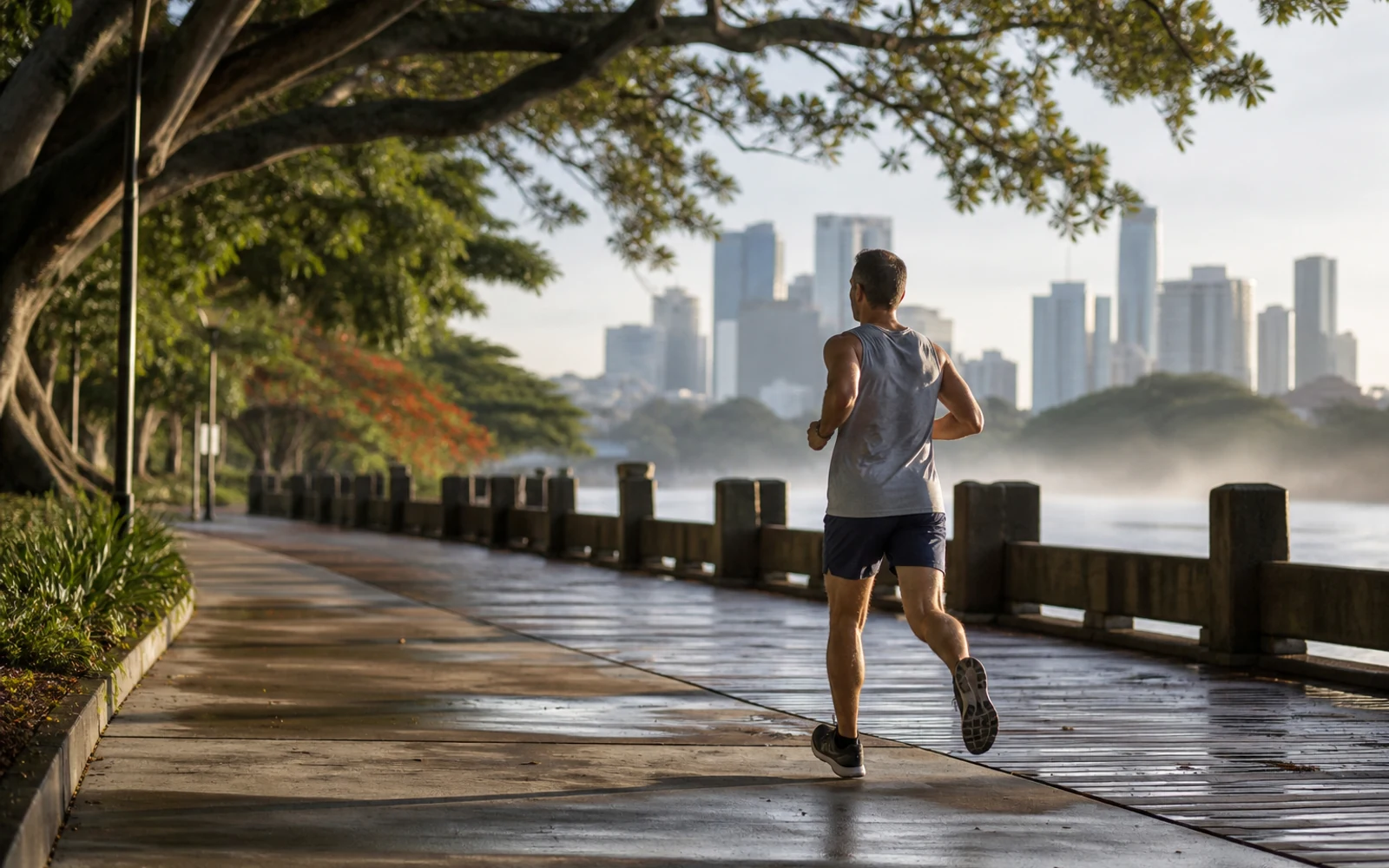
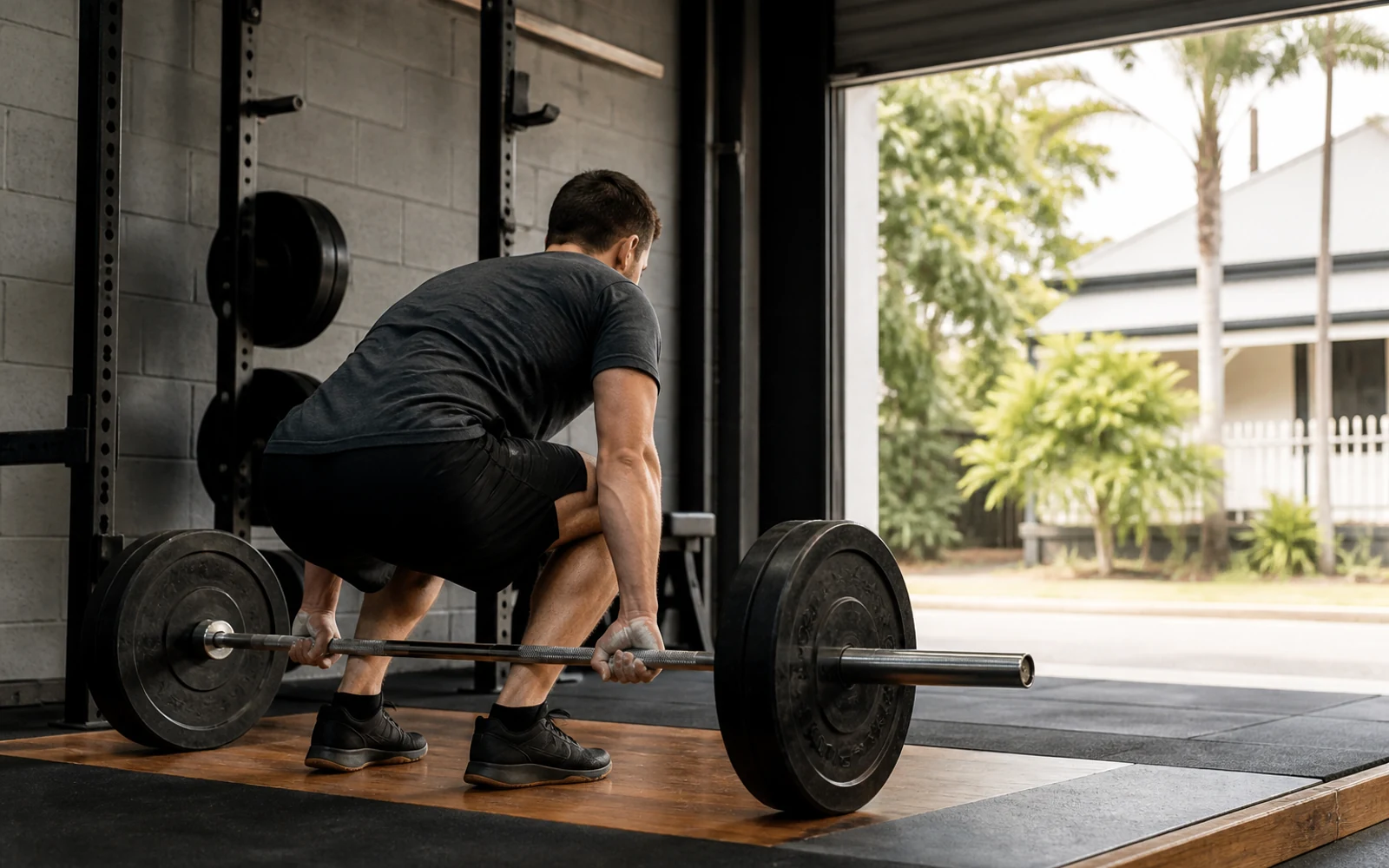
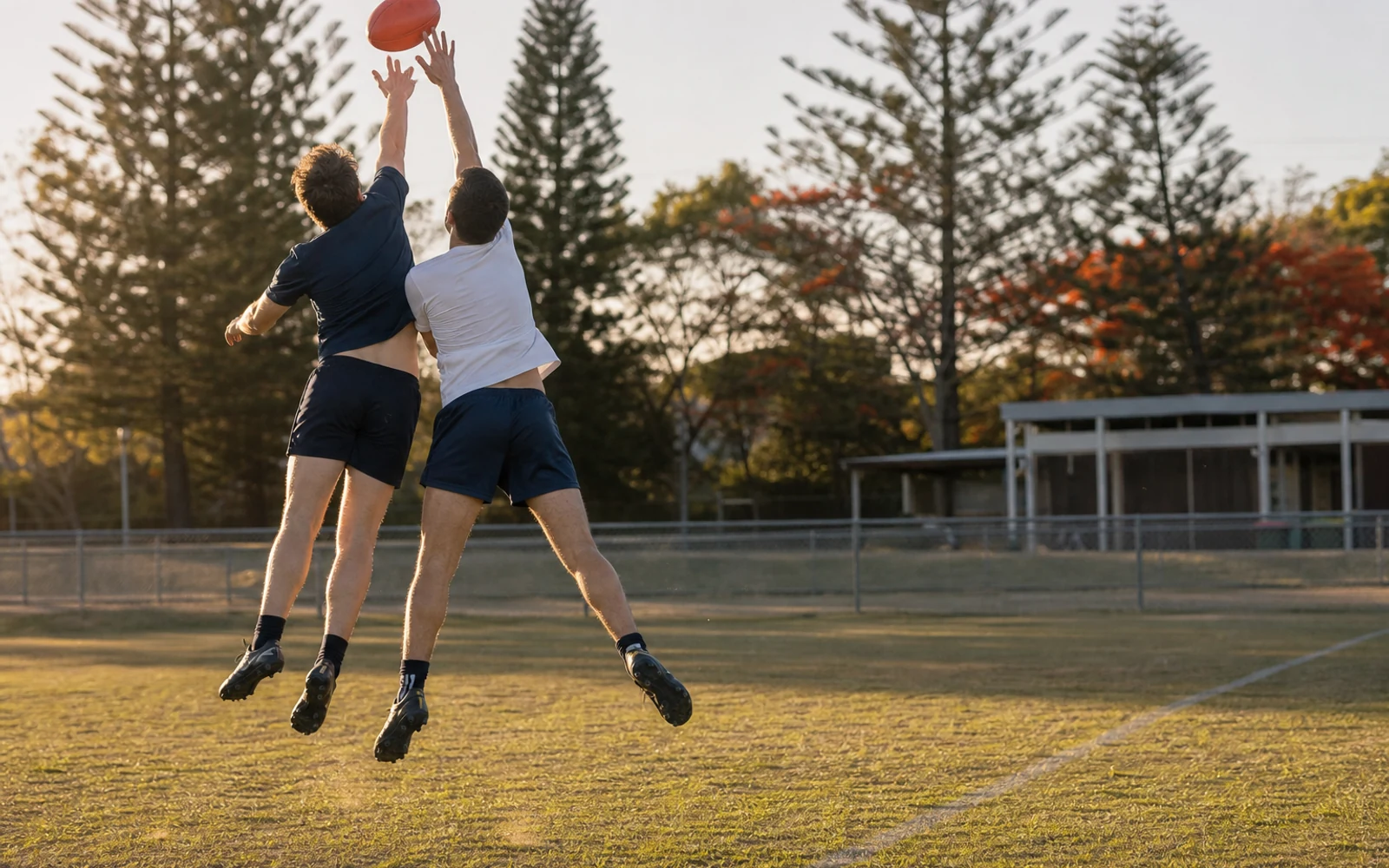
Injuries make more sense grouped by the activity that produced them than by the tissue involved. Each of these pages covers what we see most, when imaging is actually warranted, and what a graded return looks like.
Concussion
Concussion assessment and return-to-play clearance
Athletes from every sport are assessed under the ANZ Concussion Guidelines, with the rules of their own governing body added where relevant. The AFL and Rugby Australia protocols are used as useful code-specific examples, not as the boundary of the service. This section covers assessment, graded return and medical documentation for clubs and schools.
- Recognise and remove
- Return to learn and sport
- Persisting symptoms
- Repeat concussion and long-term risk
- Parents, coaches and clubs
- Nutrition and supplements
Where treatment fits
Rehabilitation and load management come first, and for most sports injuries they are the whole treatment. That is not a preliminary step to get through before the interesting equipment comes out — it is the intervention with the strongest evidence, and nothing offered here substitutes for it.
Beyond that, options are considered against your specific diagnosis and only where rehabilitation has had a genuine trial: focused and radial shockwave therapy for persistent tendinopathy, ultrasound-guided injections where a targeted diagnostic or therapeutic block will change the plan, and platelet-rich plasma in the situations where its mixed evidence base supports discussing it. You should expect to be told when the evidence for something is weak, including for treatments available in this clinic.
The treatment-by-treatment evidence review is set out under non-surgical treatments, and what an appointment involves is described in the patient journey.
Sports conditions by body region
75 of our condition guides cover presentations that commonly arise in sport and training. Each one explains the likely symptoms, whether imaging helps, and where treatment fits.
Neck
Shoulder
Elbow, Wrist & Hand
Back
Hip & Pelvis
Knee
Foot, Ankle & Lower Leg
- Achilles Tendinopathy
- Achilles Tendon Rupture
- Ankle Osteoarthritis (Ankle Arthritis)
- Ankle Sprain
- Calf Strain
- Compartment Syndrome
- Hallux Rigidus (Stiff Big Toe)
- Heel Fat Pad Syndrome
- Morton Neuroma and Forefoot Pain
- Peroneal Tendinopathy
- Plantar Fasciitis
- Posterior Tibial Tendon Dysfunction (Adult Acquired Flatfoot)
- Sesamoiditis & Sesamoid Fracture
- Shin Splints
- Stress Fractures of the Foot and Ankle
- Syndesmosis Injury (High Ankle Sprain)
- Tarsal Tunnel Syndrome
Not listed? The full conditions index covers everything we assess.
For referrers
Physiotherapists, podiatrists, exercise physiologists and GPs
Referrals are welcome and a formal referral is not required for the patient to be seen or to attract a rebate. The usual reasons colleagues send patients here are a diagnosis that is not behaving as expected, a question about whether imaging is warranted, an ultrasound-guided procedure, or a tendinopathy that has stalled despite a well-executed loading programme.
If you are referring, the most useful things to include are the working diagnosis, what loading has already been trialled and for how long, any imaging already performed, and what you want answered. Rehabilitation goes back to you. Where a patient arrives without an allied health provider, they are referred on to one and a letter goes back to whoever referred them — the intention is not to take over the patient's care.
Common questions
Do I need a referral to see a doctor in this clinic?
Is Dr Hatch a sports physician?
What does a sports injury appointment involve?
Is a Medicare rebate available for sports injury treatment?
Do you work with physiotherapists and coaches?
Do you see athletes of all ages?
Injured, or not getting back to full training?
Book a sports injury assessment with Dr Joshua Hatch.
Assessment aimed at what is actually limiting you, an honest read of your imaging, and a loading plan that gets you back to your sport. Non-surgical options are discussed with the evidence behind each one, including what it will not do.
Book an appointment