
Achilles Tendinopathy: Returning to Walking, Running and Sport
Achilles tendinopathy can make simple activity feel unpredictable. Some people can walk comfortably but flare after hills. Others feel stiff every mo...

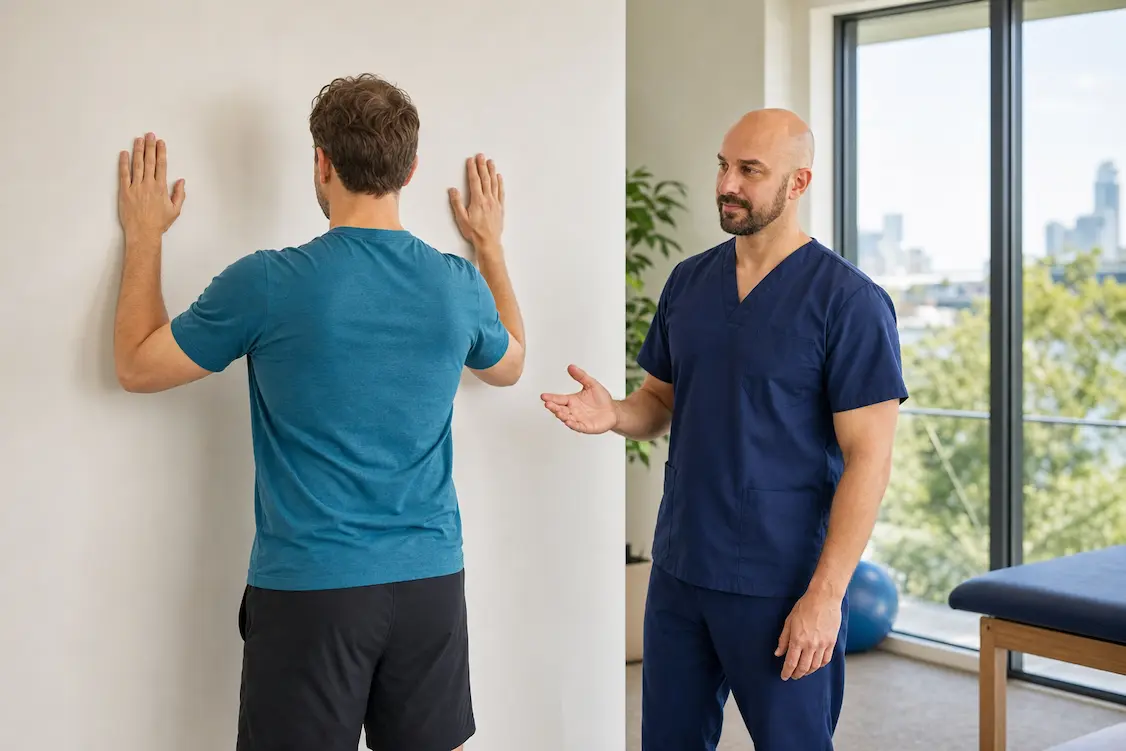
Shoulder pain is a common issue that can affect your ability to perform everyday activities. Identifying which structure is involved is what determines the treatment, and most shoulder pain is managed without surgery.
Full clinical guide: Rotator cuff and shoulder pain — assessment and non-surgical management. This article is a short overview. See also frozen shoulder and shoulder calcific tendinopathy.
Shoulder pain can arise from various conditions, from acute injuries to chronic diseases. Rotator cuff injuries are a leading cause, often due to overuse or trauma. These injuries involve damage to the muscles and tendons that stabilise the shoulder joint.
Frozen shoulder, or adhesive capsulitis, is another common condition, causing pain and stiffness due to inflammation of the shoulder joint capsule. Arthritis, including osteoarthritis and rheumatoid arthritis, can also affect the shoulder joint, leading to pain, stiffness, and reduced range of motion.
Symptoms of shoulder pain vary depending on the underlying cause. You might experience pain in the shoulder joint, which worsens with movement. Stiffness, a reduced range of motion, or a clicking sensation can also be signs of shoulder issues.
Rotator cuff injuries often cause pain when lifting the arm or reaching behind the back. Frozen shoulder typically results in a gradual loss of movement and increasing pain. Arthritis-related pain usually presents with stiffness and discomfort, especially in the morning or after inactivity.
Treatment for shoulder pain typically starts with conservative methods. Resting the shoulder and avoiding aggravating activities is important. Ice packs and anti-inflammatory medications can help with pain and swelling. Physical therapy focuses on strengthening the shoulder muscles and improving flexibility.
For more severe cases, corticosteroid injections may provide temporary relief. In cases where conservative treatments are ineffective, surgical options such as arthroscopy or shoulder replacement might be necessary.
For persistent shoulder pain that has not responded to first-line treatment, prolotherapy and PRP are sometimes considered. Prolotherapy involves injecting a dextrose solution into or around selected painful structures; its mechanism is not fully established and the evidence varies by indication.
PRP therapy uses your own blood to extract platelets rich in growth factors. Injected into the affected area, PRP promotes tissue repair and regeneration, reducing inflammation and providing long-term relief from pain.
Preventing shoulder pain involves maintaining shoulder health and avoiding activities that strain the joint. Regular exercise, particularly strengthening and stretching exercises, can help keep the shoulder muscles strong and flexible. Using proper techniques and avoiding repetitive overhead motions can also help protect the shoulder joint.
Shoulder pain has several distinct causes, and treatment works best when matched to the diagnosis rather than to the symptom. Injection treatments such as prolotherapy and PRP are not a guaranteed cure and the evidence varies by condition; whether either is reasonable for you is assessed at consultation.
Achilles tendinopathy can make simple activity feel unpredictable. Some people can walk comfortably but flare after hills. Others feel stiff every mo...

An ankle sprain can be painful, swollen and difficult to walk on. Most improve without an X-ray or a major intervention, but not every injury around ...
Ready for a clearer plan for your back or musculoskeletal pain?
Your assessment focuses on understanding the likely source of your pain and the most appropriate non-surgical options for your diagnosis, with the aim of reducing pain and improving function.
Book an appointment