
Back Pain Red Flags: When to Go to Emergency
Call triple zero (000) or go to the nearest emergency department now if back pain is accompanied by new loss of bladder or bowel control, diffi...

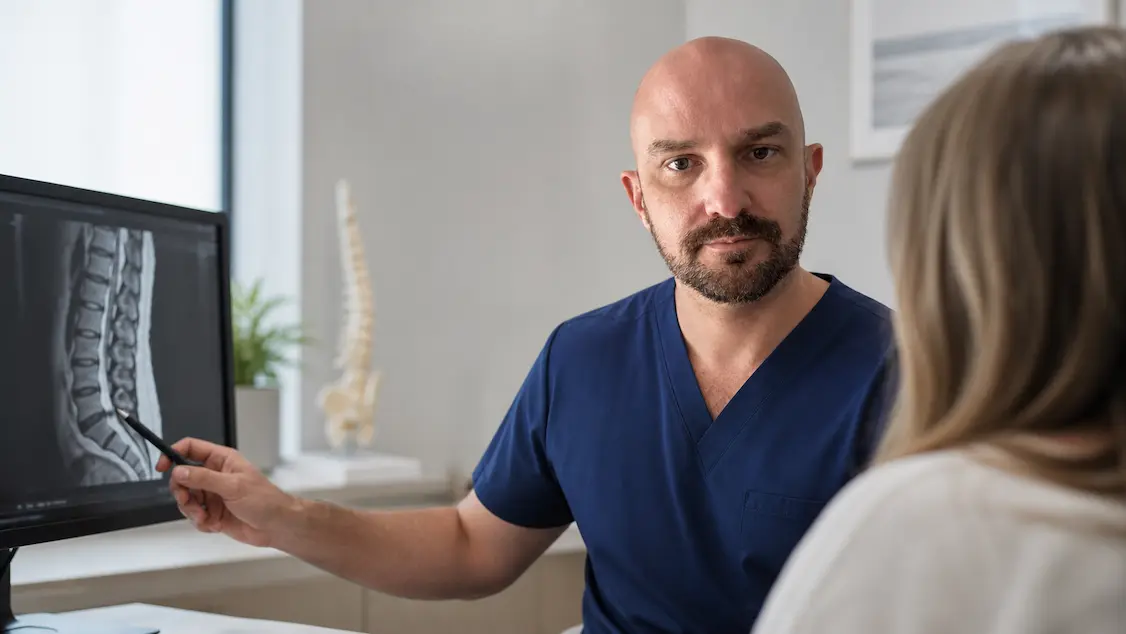
Short answer: for most people with new low back pain, no — an MRI is not needed, and getting one too early can do more harm than good. This surprises a lot of people, so it’s worth explaining why.
The overwhelming majority of low back pain is what we call “non-specific” — it is not caused by a serious underlying disease, and it tends to improve over weeks with sensible management. For this kind of back pain, an MRI in the first several weeks does not change what we would recommend, and multiple guidelines (including Australian Choosing Wisely advice) specifically advise against routine early imaging.
Modern MRI scanners are extremely sensitive, and that is part of the problem. Studies of people without any back pain show that disc bulges, degeneration and other “abnormal” findings are extremely common and increase with age — for example, disc degeneration is seen in a large proportion of pain-free 40-year-olds. In other words, if we scan enough healthy backs, we will find things that look alarming but are not actually the cause of pain.
When a scan turns up these incidental findings in someone who is sore, it is easy to wrongly blame them for the pain. That can lead to unnecessary worry, more tests, and sometimes treatment that was never needed — without improving the outcome.
Imaging becomes appropriate when the history or examination suggests something other than ordinary back pain. Features that warrant prompt assessment and may justify a scan include significant trauma, unexplained weight loss, fever, a history of cancer, progressive leg weakness or numbness, or any problem with bladder or bowel control. If you have these, do not wait — seek medical care.
We also consider imaging when pain is persistent and has not responded to a reasonable course of treatment, or when the result would genuinely change the management plan — for example, before certain procedures.
For most new back pain, the best early steps are staying active within reasonable limits, avoiding prolonged bed rest, and managing the pain while the back settles. Physiotherapy and a graded return to normal activity are central. You can read more on our low back pain and sciatica pages.
The key message: a scan is a tool, not a treatment. Used at the right time it is valuable; used reflexively it often adds cost and anxiety without adding answers. If you are unsure whether your back pain needs investigating, that is exactly the kind of question we can help you work through.
Call triple zero (000) or go to the nearest emergency department now if back pain is accompanied by new loss of bladder or bowel control, diffi...

Morning back stiffness is common and does not, by itself, mean you have inflammatory arthritis. Sleep position, a change in activity, an ordinary...

Back pain is a prevalent and complex condition affecting millions globally, with significant personal, societal, and economic impacts (Hartvigsen et ...
Ready for a clearer plan for your back or musculoskeletal pain?
Your assessment focuses on understanding the likely source of your pain and the most appropriate non-surgical options for your diagnosis, with the aim of reducing pain and improving function.
Book an appointment