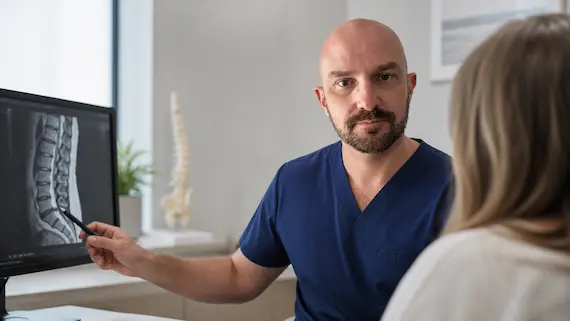
Do You Need an MRI for Back Pain?
Short answer: for most people with new low back pain, no — an MRI is not needed, and getting one too early can do more harm than good. This surpr...

Call triple zero (000) or go to the nearest emergency department now if back pain is accompanied by new loss of bladder or bowel control, difficulty starting or sensing urination, numbness around the genitals or anus, rapidly worsening leg weakness, or loss of feeling or movement in a limb. Do not wait for a routine clinic appointment.
Most episodes of back pain are painful but not dangerous. More than nine out of ten are not caused by a serious medical problem, and many improve with time, movement and appropriate care. The important exception is back pain accompanied by symptoms that suggest pressure on the spinal nerves, fracture, infection, cancer or another urgent condition.
“Red flags” are warning features that change how quickly you should be assessed. A red flag does not prove that something serious is present, and one symptom in isolation may have several explanations. The pattern, severity, speed of change and your medical history matter. When the consequences of delay could be serious, it is safer to seek urgent assessment.
This article helps you decide between emergency care, prompt medical review and routine back-pain care. Australian emergency advice is also available from Healthdirect.
Seek urgent medical care if back pain is associated with new bladder or bowel problems, numbness around the saddle area, progressive leg weakness, fever, feeling very unwell, unexplained weight loss, a recent significant fall or trauma, or a known history of cancer.
Call 000 or attend an emergency department rather than waiting for a routine GP appointment when there is:
Same-day medical advice is also appropriate for back pain with fever or chills, marked unwellness, recent infection, immune suppression, injecting drug use, unexplained weight loss, a history of cancer, osteoporosis, prolonged corticosteroid use, or a smaller fall in an older person.
Severe pain that is worsening despite rest and simple measures can also deserve prompt assessment, especially if it is constant at night or not linked to position or movement.
Pain travelling from the back into the buttock or leg can occur when a lumbar nerve root is irritated. Sciatica can be very uncomfortable, but it is not automatically dangerous. What matters is whether the leg symptoms are stable or improving, and whether there is progressive weakness, loss of sensation, or bladder or bowel disturbance.
If you have leg pain with increasing weakness, foot drop, or difficulty passing urine, do not wait for a routine appointment.
MRI can be very useful when red flags are present or when the result would change management. For ordinary back pain without red flags, early imaging often finds age-related changes that may not be the cause of pain. This can create unnecessary worry and may not improve outcomes.
If there are no red flags, the early focus is usually pain control, staying gently active, avoiding prolonged bed rest, and gradually returning to normal movement. If symptoms persist, recur, or do not behave as expected, a careful clinical assessment helps decide whether imaging or targeted treatment is appropriate.
You can read more on our low back pain and sciatica pages.
Most back pain is not an emergency. The key is not ignoring the small group of symptoms that can signal something more serious. If you are unsure, it is reasonable to be assessed.
Short answer: for most people with new low back pain, no — an MRI is not needed, and getting one too early can do more harm than good. This surpr...

Morning back stiffness is common and does not, by itself, mean you have inflammatory arthritis. Sleep position, a change in activity, an ordinary...
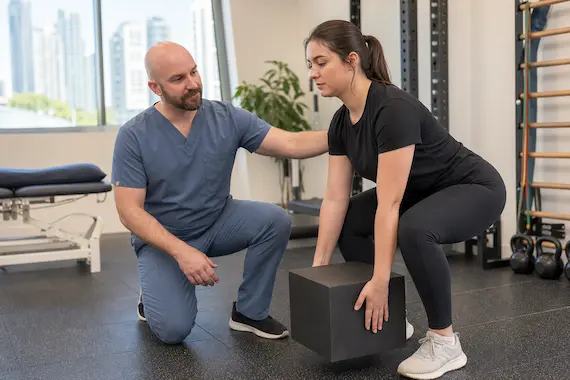
Back pain is a prevalent and complex condition affecting millions globally, with significant personal, societal, and economic impacts (Hartvigsen et ...
Ready for a clearer plan for your back or musculoskeletal pain?
Your assessment focuses on understanding the likely source of your pain and the most appropriate non-surgical options for your diagnosis, with the aim of reducing pain and improving function.
Book an appointment