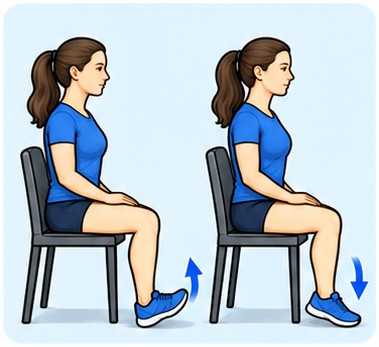
1. Gentle ankle movement
10–20 repetitions, 1–3 times daily.
- Action.
- Sit with the foot supported. Slowly move the ankle up and down through an easy range.
- Technique.
- Do not force a stretch. Follow any boot, fracture or repair restrictions.
Back Pain Doctor
Back Pain Doctor · Dr Joshua Hatch · backpaindoctor.com.au
Morton Neuroma and Forefoot Pain
Progressive rehabilitation and graded return to activity
Before you start
Use this programme for an assessed condition when exercise is appropriate. An acute fracture, tendon rupture, unstable injury or recent operation may need different restrictions. Any specific protection or surgical instructions take priority.
Burning or pebble-like forefoot pain may involve an interdigital nerve or bursa. Reducing shoe compression and forefoot pressure is central to early care.
Use a roomy toe box and review metatarsal support placement with a podiatrist.
Mild familiar discomfort up to about 3 out of 10 may be acceptable if steady and movement stays controlled. Sharp or increasing pain is a reason to stop. Pain, swelling and function should return to baseline by the next morning. This is a practical guide, not a proven safety threshold.
Avoid tight shoes and repeated forefoot loading that causes burning or numbness. Keep early calf raises out if they provoke symptoms.
When symptoms increase
Reduce the provoking movement, repetitions or resistance by about one third to one half. Keep other comfortable activity where appropriate. Do not add harder exercise until the response is stable. A sudden major change needs assessment.
Begin with one set if needed. Practise gentle movement daily if it helps; perform strengthening on 2–3 non-consecutive days each week. Rest 30–60 seconds between easy sets. You do not need to force the full dose on the first day.
10–20 repetitions, 1–3 times daily.
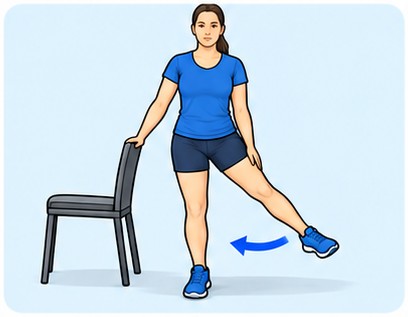
2–3 sets of 10–15 each side.
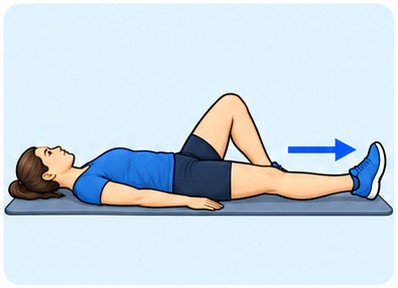
2 sets of 8–12 each side.
Ready for Phase 2
Daily walking is comfortable in suitable footwear and the initial exercises do not worsen focal pain or neurological symptoms.
Avoid tight shoes and repeated forefoot loading that causes burning or numbness. Keep early calf raises out if they provoke symptoms.
Use 2–3 non-consecutive strength days each week and rest 60–120 seconds between sets. Begin with a resistance that leaves a few controlled repetitions in reserve. Add repetitions first, then a small amount of resistance.
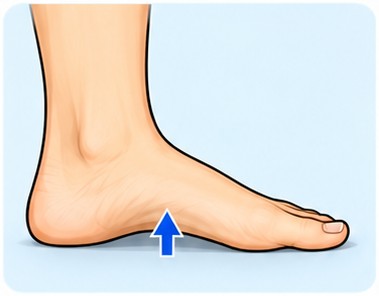
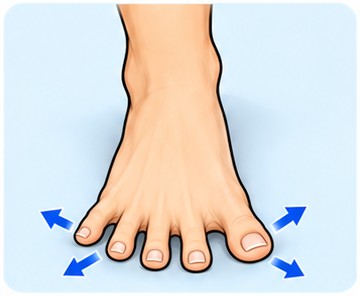
5–10 holds of 5 seconds.
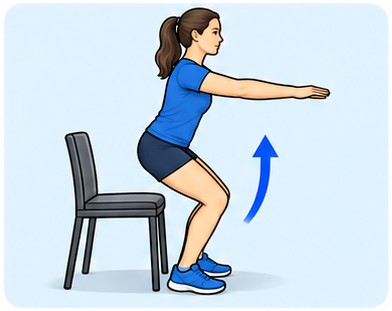
5–10 repetitions.
2–3 sets of 6–12.
Ready to add Phase 3
Build standing balance and controlled chair rises before low steps. Forefoot loading must be permitted and comfortable before toe-off work is increased.
Use a roomy toe box and review metatarsal support placement with a podiatrist. When the top repetition range is easy on several sessions, increase resistance slightly and return to the lower end. Keep the range and movement quality consistent. Avoid increasing weight, repetitions and frequency together.
Continue strength work on 2–3 days weekly. Add one new demand at a time. If impact is part of the programme, allow 48–72 hours between demanding impact sessions initially and reduce the strength volume on those days.
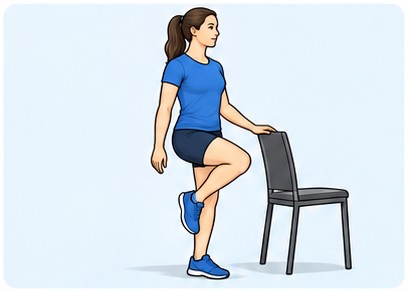
3 holds of 20–30 seconds each side.
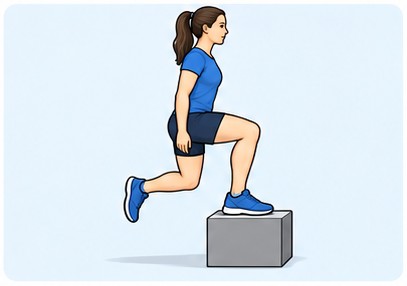
2–3 sets of 8–12 each leg.
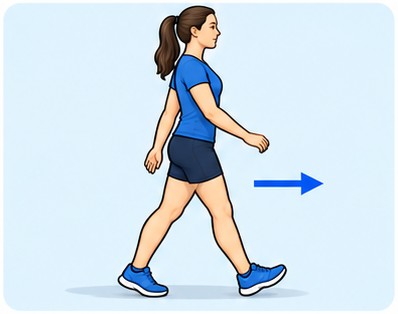
Start with 5–10 minutes, once or twice daily.
Ready to increase real activity
Increase walking duration on level ground before hills or impact. Some conditions require continued footwear support, and running is not a required recovery goal.
Build walking tolerance in suitable footwear before running and high forefoot loads. The final stage should reflect the real task: carrying, lifting, stairs, walking, running or sport. You can finish rehabilitation for daily life without needing to complete running or jumping drills that your activity does not require.
Build walking tolerance in suitable footwear before running and high forefoot loads.
| Stage | What to build |
|---|---|
| Everyday function | Use comfortable movement and daily tasks in manageable blocks. Establish a stable next-day response. |
| More demanding activity | Increase duration before adding substantial load, speed, hills or more complex positions. |
| Specific work or sport | Practise the actual task at reduced intensity and duration, then progress it on separate occasions. |
| Full participation | Complete the required activity repeatedly with control and confidence, without a significant next-day flare. Injury-specific clearance may still be needed. |
Use 2–3 non-consecutive strength days, with comfortable mobility or easy activity between them. Start a new activity at less than your usual duration or intensity. Keep harder sessions apart and leave more recovery time when symptoms are still increased. For tendon loading, the condition-specific frequency on the exercise pages takes priority.
Continue useful strengthening about twice weekly after recovery, alongside regular activity. Break long or repetitive tasks into manageable periods and maintain a plan for a temporary flare. A flare does not automatically mean new damage, but a different or progressive symptom needs assessment.
Seek prompt assessment for inability to bear weight, a hot red swollen joint, progressive weakness or numbness, a focal bony pain or major new swelling. Sudden calf swelling, chest pain or breathlessness needs urgent assessment. Book reassessment if progress has stalled for 4–6 weeks, function is deteriorating or the same progression repeatedly causes a flare. Do not wait for that interval when a warning symptom is present.
Condition-specific exercise research is limited. This programme uses available guidance and cautious clinical extrapolation. Exercise selection, sets and progression checks are practical starting prescriptions rather than a trial-validated complete protocol.
Dr Joshua Hatch | The Back Pain Doctor. Handout prepared 1 Nov 2026.