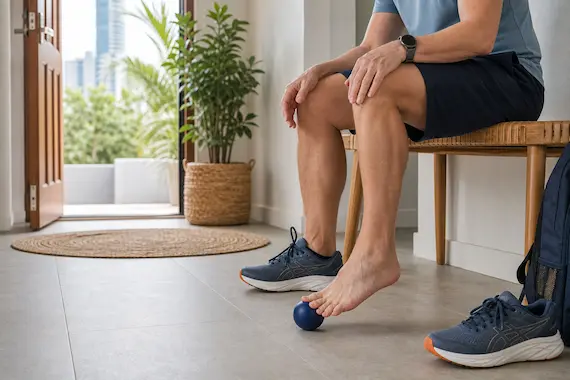
Plantar Fasciitis: First Steps That Usually Matter Most
Plantar fasciitis, also called plantar heel pain, commonly causes pain under the heel or arch. It is often worst with the first steps in the morning ...

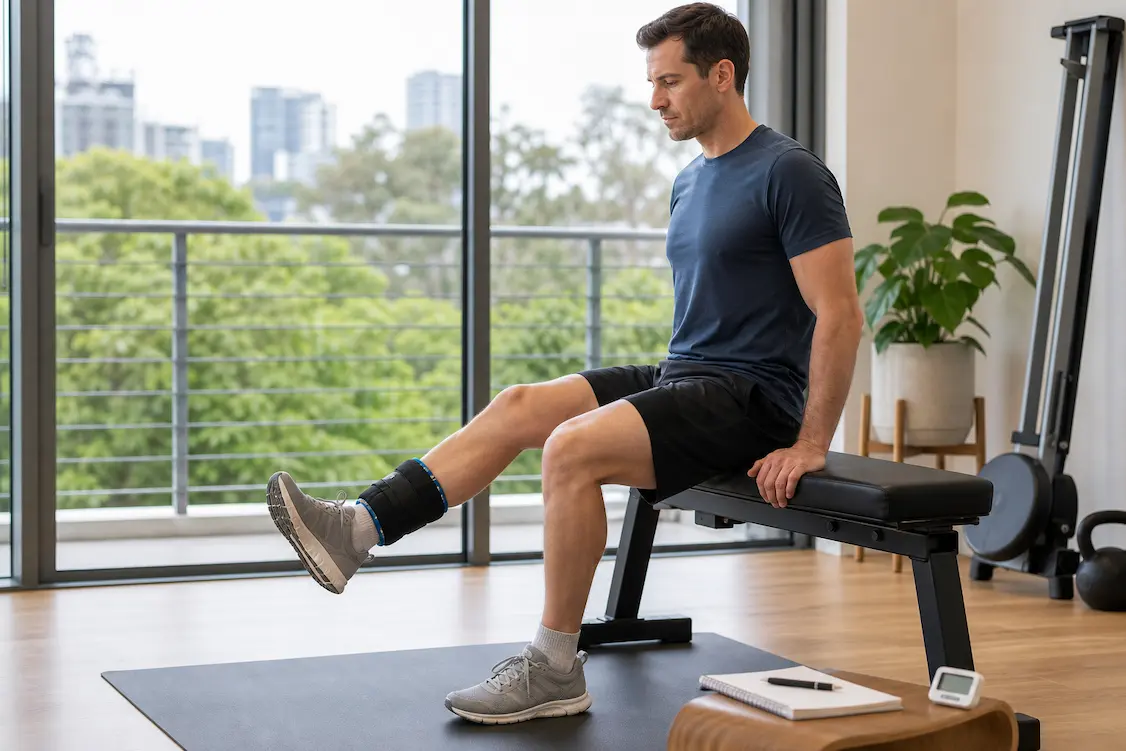
When a tendon hurts, the natural instinct is to rest it completely. Short-term rest can settle a flare, but long-term rest often leaves the tendon less tolerant of load. That is why many tendinopathies improve best with the right kind of progressive loading.
Tendons are built to transmit force. They respond to load, but they also complain when the load is too much, too soon, or too repetitive. The aim is not to avoid loading forever. The aim is to find the amount of loading the tendon can tolerate now, then build from there.
If you stop all loading, pain may settle temporarily. But when you return to walking, gripping, running, lifting or sport, the tendon may flare again because its capacity has not improved.
This is common in Achilles tendinopathy, tennis elbow, rotator cuff tendinopathy, hamstring tendinopathy and plantar fascia pain. The painful tissue needs time and a structured stimulus to become more load tolerant.
A good programme usually starts with exercises that are tolerable, controlled and repeatable. Pain does not always need to be zero, but it should be manageable and should not produce a marked next-day flare.
Over time, the programme can progress through heavier strengthening, slower movements, faster movements and sport-specific or work-specific tasks. The exact pathway depends on the tendon and the person.
Treatments such as shockwave therapy, PRP or other injections may be considered in selected cases, especially when symptoms are persistent. They should not be viewed as a replacement for load management. The best outcomes usually come from matching treatment with a realistic rehabilitation plan.
Progress is not just less pain today. Useful signs include less morning stiffness, better tolerance for normal activity, fewer flare-ups, improved strength and more confidence using the limb.
Tendon pain is usually a load problem, not simply an inflammation problem. Rest can calm it down, but progressive loading is often what helps it become more resilient.
Plantar fasciitis, also called plantar heel pain, commonly causes pain under the heel or arch. It is often worst with the first steps in the morning ...
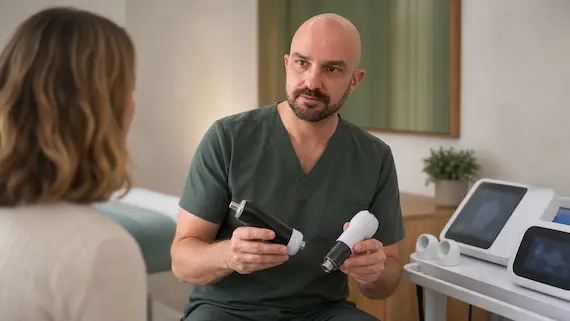
If you have been offered "shockwave therapy" for a tendon or muscle problem, it is worth asking which kind. There are two, they work differently, and...
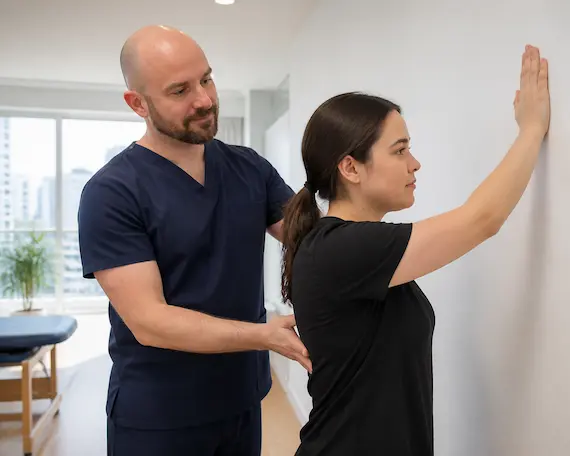
Frozen shoulder is one of the more frustrating conditions I see. It comes on without warning, hurts a great deal at night, and then stiffens to the p...
Ready for a clearer plan for your back or musculoskeletal pain?
Your assessment focuses on understanding the likely source of your pain and the most appropriate non-surgical options for your diagnosis, with the aim of reducing pain and improving function.
Book an appointment