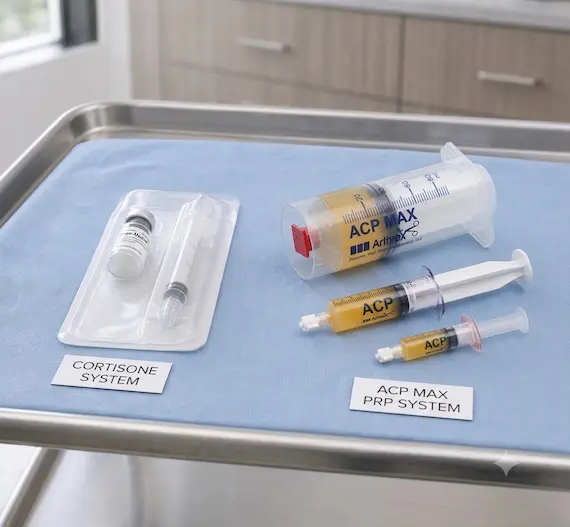
Cortisone vs PRP for Knee Osteoarthritis: What the Evidence Says
If you have knee osteoarthritis and have been offered an injection, you may be weighing up cortisone against PRP (platelet-rich plasma). They...

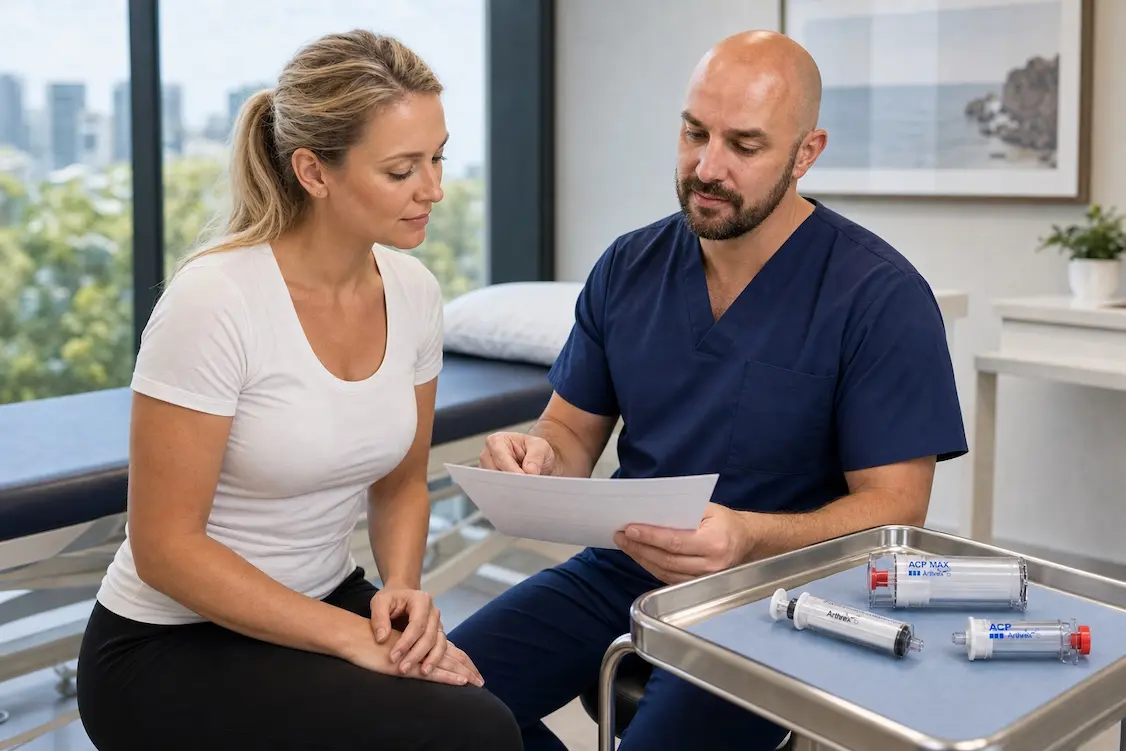
PRP stands for platelet-rich plasma. A sample of your blood is processed to concentrate platelets, then the preparation is injected into a target joint, tendon or soft-tissue region.
The evidence for PRP varies by condition. It has been studied most in knee osteoarthritis and some tendon problems, but results are mixed. That is why the decision should be diagnosis-specific and realistic.
Before treatment, the important question is whether PRP is a reasonable option for your problem. We consider the diagnosis, severity, previous treatment, goals, costs and alternatives.
You may be asked about medications, bleeding risk, infection, immune conditions and recent illness. Some medications can affect bleeding or inflammation, so medication advice should be individualised rather than guessed.
A blood sample is taken and processed. The injection is then performed into the target area, often with image guidance depending on the location. The appointment includes preparation time as well as the injection itself.
It is common to have temporary soreness. The early phase is usually about protecting the area from excessive load while avoiding unnecessary immobilisation. The next phase is a gradual return to loading or rehabilitation.
PRP does not remove the need for strength work, weight management, activity modification or other foundations of care. It is an adjunct, not a replacement for the plan.
Increasing redness, fever, severe escalating pain, or feeling unwell after an injection should be assessed promptly. These problems are uncommon but important.
You can read more on our PRP injections page.
PRP may be worth considering for selected musculoskeletal problems, but it should be used with realistic expectations and a clear aftercare plan.
If you have knee osteoarthritis and have been offered an injection, you may be weighing up cortisone against PRP (platelet-rich plasma). They...
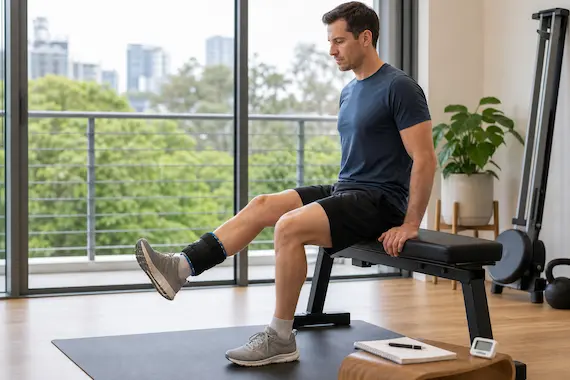
When a tendon hurts, the natural instinct is to rest it completely. Short-term rest can settle a flare, but long-term rest often leaves the tendon le...

Weight-loss injections are everywhere at the moment. Medications in the GLP-1 family, such as semaglutide (sold as Ozempic and Wegovy) and tirzepatid...
Ready for a clearer plan for your back or musculoskeletal pain?
Your assessment focuses on understanding the likely source of your pain and the most appropriate non-surgical options for your diagnosis, with the aim of reducing pain and improving function.
Book an appointment