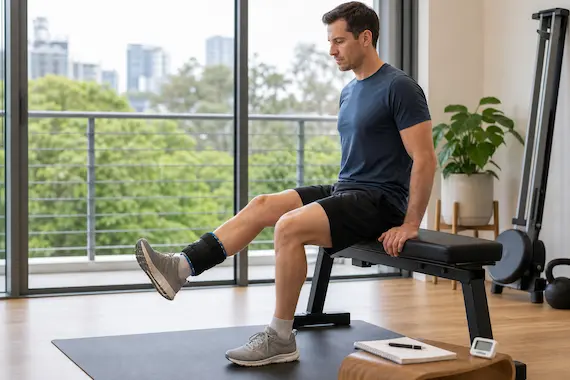
Why Tendon Pain Usually Needs Loading, Not Complete Rest
When a tendon hurts, the natural instinct is to rest it completely. Short-term rest can settle a flare, but long-term rest often leaves the tendon le...

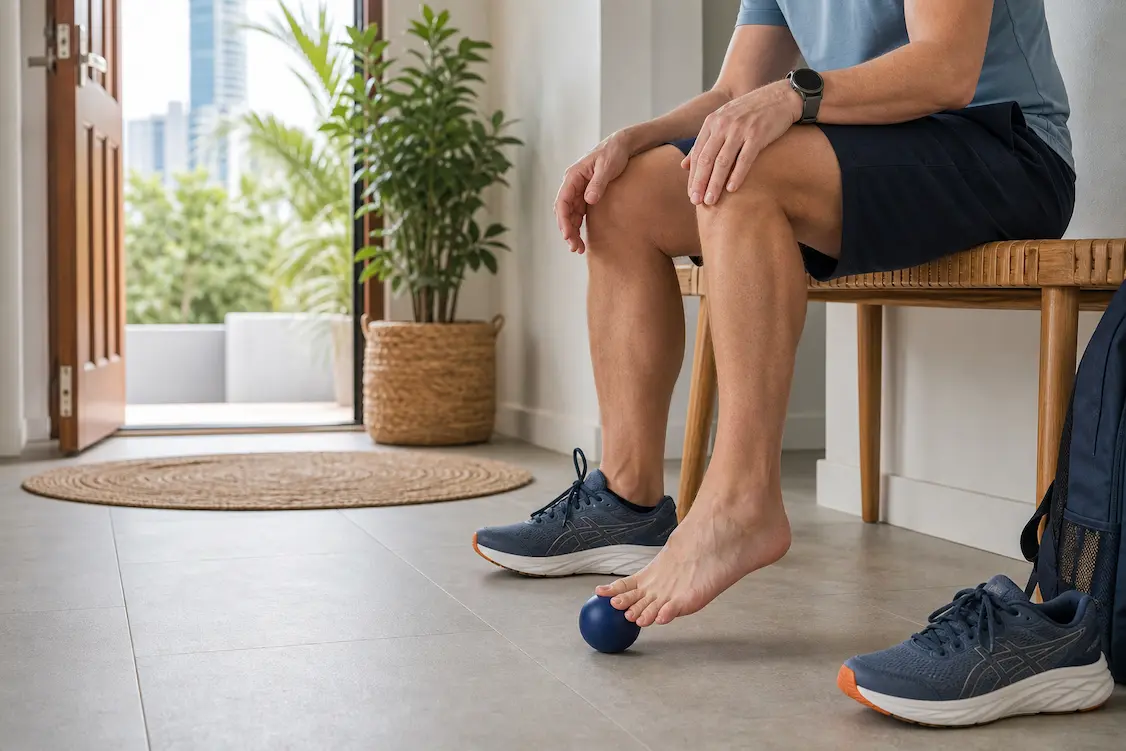
Plantar fasciitis, also called plantar heel pain, commonly causes pain under the heel or arch. It is often worst with the first steps in the morning or after sitting, then may warm up as you move.
Although it can be stubborn, many cases improve with a few targeted changes rather than one dramatic treatment.
The plantar fascia is loaded heavily by long standing, walking on hard surfaces, barefoot walking, running, hill work and sudden increases in activity. The first step is usually to reduce the most provocative loads temporarily, not to stop all activity.
Swapping a long walk for shorter walks, avoiding barefoot time on tiles, and changing training volume can make a meaningful difference.
Supportive shoes, taping or an orthotic can reduce strain through the plantar fascia. These measures do not “fix” the tissue by themselves, but they can make daily loading more tolerable while symptoms calm down.
The calf, Achilles tendon and plantar fascia work as a unit. Strengthening is often useful, especially when pain has been present for more than a few weeks. A programme may include calf raises, foot intrinsic exercises and gradual walking or running progressions.
The key is dose. Too much too early can flare symptoms, while too little may not build capacity.
If symptoms persist despite a good footwear, loading and exercise plan, treatments such as focused shockwave therapy may be considered. Injections may sometimes be discussed, but the risks and likely benefit need to be weighed carefully.
Plantar fasciitis usually responds best to a plan that reduces the sharpest loads, supports the foot, and rebuilds tissue capacity. A single treatment rarely replaces the basics.
When a tendon hurts, the natural instinct is to rest it completely. Short-term rest can settle a flare, but long-term rest often leaves the tendon le...
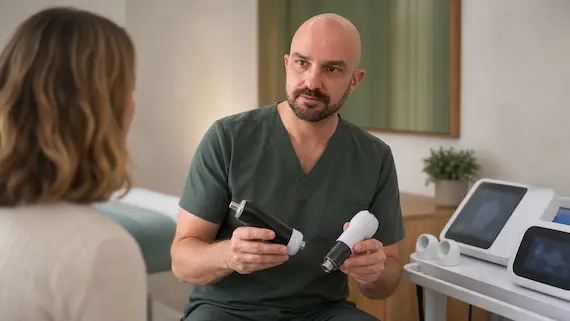
If you have been offered "shockwave therapy" for a tendon or muscle problem, it is worth asking which kind. There are two, they work differently, and...
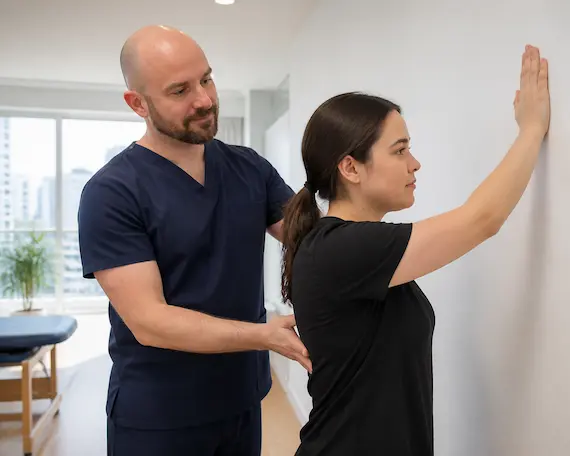
Frozen shoulder is one of the more frustrating conditions I see. It comes on without warning, hurts a great deal at night, and then stiffens to the p...
Ready for a clearer plan for your back or musculoskeletal pain?
Your assessment focuses on understanding the likely source of your pain and the most appropriate non-surgical options for your diagnosis, with the aim of reducing pain and improving function.
Book an appointment