
Achilles Tendinopathy: Returning to Walking, Running and Sport
Achilles tendinopathy can make simple activity feel unpredictable. Some people can walk comfortably but flare after hills. Others feel stiff every mo...

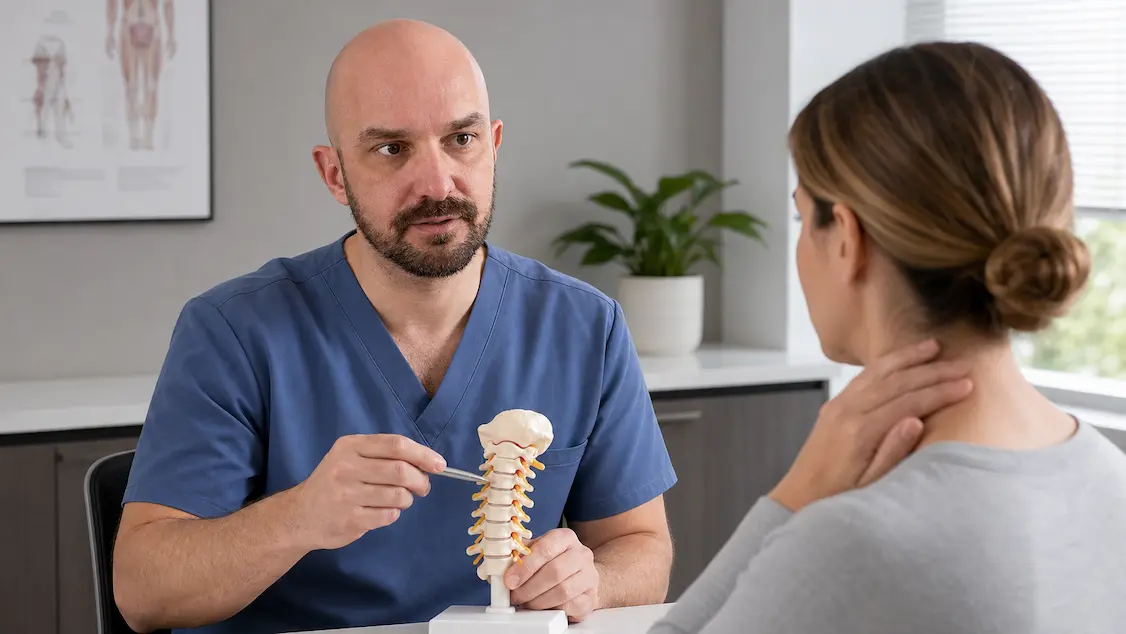
Neck pain is a common issue that can impact your daily life, from the ability to work to the quality of your sleep. This article explores the various causes of neck pain, common symptoms, and effective treatments, including innovative options like prolotherapy and PRP.
Neck pain can be triggered by several factors. Poor posture, often from extended periods of sitting or using mobile devices, is a major culprit. This type of strain, sometimes called “tech neck,” results in muscle tension and discomfort. Degenerative conditions like osteoarthritis or herniated discs are also common, especially in older adults. These conditions can compress nerves, leading to pain that radiates into the arms, known as radiculopathy.
Trauma, such as whiplash from a car accident, can cause acute neck pain, while chronic conditions like fibromyalgia may present with neck discomfort as part of widespread muscle pain.
Symptoms of neck pain can vary. You may experience stiffness, muscle spasms, or headaches originating at the base of the skull. The pain can be localised or extend to the shoulders and arms, particularly if nerves are involved. Severe cases might involve numbness, tingling, or weakness in the arms, suggesting nerve compression.
Most cases of neck pain can be managed with conservative treatments. Physical therapy is crucial, focusing on exercises to strengthen neck muscles and improve posture. Over-the-counter pain relievers like NSAIDs can reduce inflammation and alleviate pain. Heat or cold therapy can help relieve muscle tension and promote healing.
For more persistent or severe cases, stronger interventions may be required, such as prescription medications, corticosteroid injections, or even surgery if structural issues need correction.
For chronic neck pain, prolotherapy and PRP offer promising alternatives. Prolotherapy involves injecting a solution, such as dextrose, into affected ligaments and tendons to stimulate natural healing. This strengthens weak tissues and reduces pain over time.
PRP involves using your own blood to extract platelets rich in growth factors. Injected into the affected area, PRP promotes tissue repair and regeneration, reducing inflammation and pain. Both treatments can be particularly effective for chronic pain that doesn’t respond well to traditional therapies.
Preventing neck pain often requires lifestyle changes. Maintaining good posture is essential, especially if you spend long hours at a desk or looking at screens. Ergonomic furniture and regular breaks to stretch can help reduce strain on your neck muscles.
Regular neck exercises can also strengthen muscles and improve flexibility. Staying active, maintaining a healthy weight, and avoiding heavy lifting can further reduce the risk of neck pain.
Neck pain doesn’t have to be a permanent part of your life. By understanding the causes and symptoms, and exploring treatment options like prolotherapy and PRP, you can find relief and return to a pain-free lifestyle. If you’re dealing with chronic neck pain, consider these advanced treatments to improve your comfort and mobility.
Achilles tendinopathy can make simple activity feel unpredictable. Some people can walk comfortably but flare after hills. Others feel stiff every mo...

An ankle sprain can be painful, swollen and difficult to walk on. Most improve without an X-ray or a major intervention, but not every injury around ...
Ready for a clearer plan for your back or musculoskeletal pain?
Your assessment focuses on understanding the likely source of your pain and the most appropriate non-surgical options for your diagnosis, with the aim of reducing pain and improving function.
Book an appointment